

Careers in Aviation Expo
The Careers in Aviation Expo program
features two annual events
Ottawa May 4 2024, Edmonton Oct 29 2024
Register for Edmonton
Register for Ottawa
Ottawa, ON
May 4, 2024
Porter Hanger – Ottawa Airport
Register to Attend

Careers in Aviation Expo 2024

What are the Career Expos?
The Careers in Aviation Expo annual program features two events held in different regions of Canada with the goal of connecting aspiring aviators, graduating students and young professionals with leading companies, organizations and schools.
The Careers in Aviation Expo program provides attendees with access to dozens of exhibiting companies and organizations focused on hiring and inspiring a new generation of aviation professionals. The one-day event includes four Main Stage Presentations by industry leaders discussing the challenges and opportunities within a range of aviation careers.
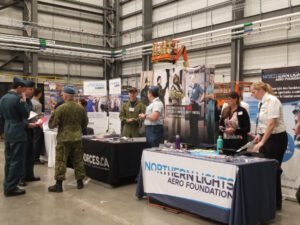
What are the Expo Breakout Sessions?
In addition to our Main Stage Presentations, attendees can sign up for individual Breakout Sessions of approximately 20 to 25 minutes to explore specific career options within a small group led by a mentor. Through our registration page, attendees can sign up for two Breakout Sessions each with Pilots, AMEs (M1, M2, E, S), Aerospace Engineers, Military Personnel, Airline Operations or Airport Operations, among others.
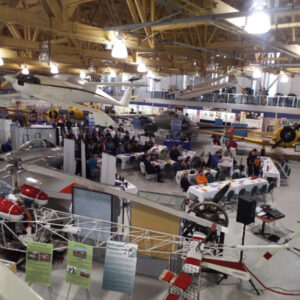
Who should attend the Expos?
The Careers in Aviation Expo program is designed to provide insight into a range of fixed-wing and rotary-wing aviation careers, including, but not limited to: Pilots, Aircraft Maintenance Engineers, Air Traffic Controllers, airport and airline operations, aerospace engineering and design, and flight services.
What aviation/aerospace sectors are represented at the Expos?
The Careers in Aviation Expo program, through both its educational content and exhibitor program, provides attendees with access to a range of sectors, including, but not limited to: Commercial airlines, business aviation, helicopter operations, training, government and military, engine and airplane manufacturers, supply logistics, and airports, among others.
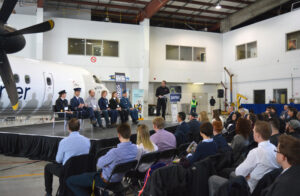
Attend Careers in Aviation
Get ready to discover new technologies and solutions
your registration can be transferred to our next event date or refunded.
Sponsors
Premier Sponsor

Platinum Sponsor


Silver Sponsor

Bronze Sponsor

Presented by